Let me say this gently.
Your logo is NOT your brand.
And if you’re starting a business branding journey right now, I need you to hear this before you spend another hour tweaking fonts on Canva.
I created a 3-day Brand Starter Email Series that walks you through this step-by-step. It’s essentially the extended version of this checklist (without the overwhelm). You’ll walk away with a brand strategy, your brand’s keywords, and a moodboard guide; all the foundational things you need to create a brand that will expand with your business.
Because creating a brand isn’t about picking colours you like. It’s about building something that makes people trust you before you ever say a word.
When I work with my branding clients, this is what we focus on first. Not the visuals, but the foundation of their brands!
1. Positioning (Who are you really for?)
If you’re trying to speak to everyone, you’re speaking to no one.
It’s like going online to find an extremely specific stamp that’s customisable with your pet’s face on it and looking up “rubber stamp”. You’re not going to find what you’re looking for because you’re being too general.
Clarity here makes everything else easier: messaging, visuals, pricing, confidence. I talk about this kind of brand clarity a lot in my weekly emails, especially for founders in the messy middle stage of building something real.
2. Personality (What do you feel like?)
Are you refined? Playful? Quiet luxury? Organic and grounded?
This info isn’t only important to you (or your designer) during the design process, but also gives you REALLY valuable insight into how you want your brand to be perceived. And brand perception is everything.
This shapes your entire brand strategy design.
3. Visual Direction (Not just “branding inspo.”)
Moodboards are cute. Strategy is powerful.
Now look, I know moodboards can be a really enjoyable part of creating the look of your brand, but this is also the crucial step that a lot of founders get wrong.
For this reason, I’ve devoted the entire second day of my brand start series to this exact topic. Think guided, step-by-step instructions for creating an effective and clear moodboard. One that isn’t confusing, unclear, or over-polluted with the maybes, what-ifs, and personal preferences.
Your brand identity design layout should reflect your positioning, not Pinterest trends.
4. Product Branding Alignment
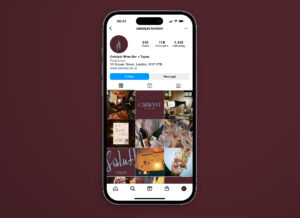
Your brand doesn’t exist on a spreadsheet or online. It exists on the physical products and places that your customers see.
If you sell physical products or hospitality experiences, your branding must translate to packaging, menus, interiors, labels – everything.
This is where your customers will interact with your brand. Where they will form a relationship with it. And most importantly, where they will decide whether or not they trust your brand.
5. Consistency Systems
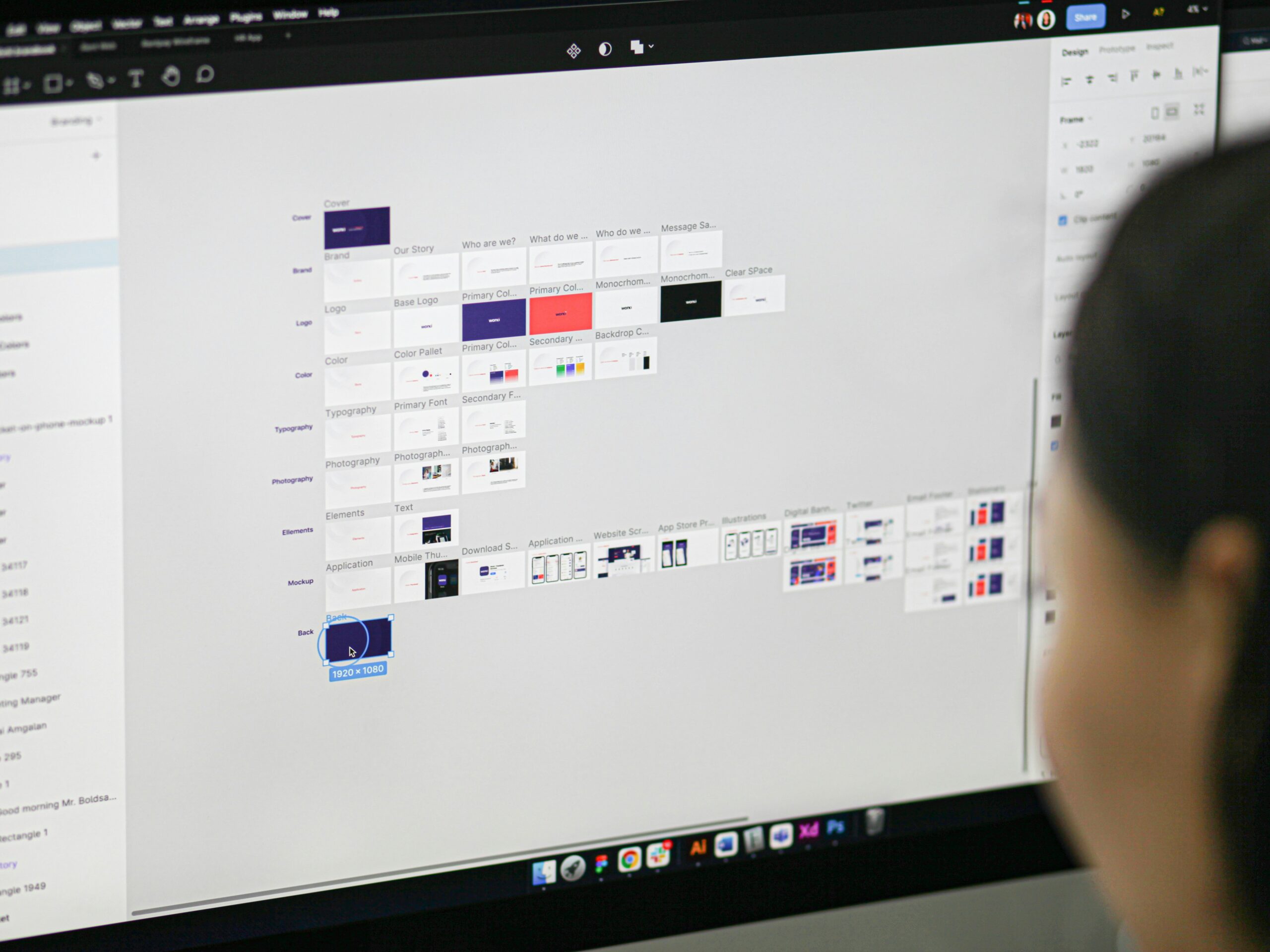
This is where brand kit templates come in. This I can help with. Think logos with designated uses, a brand colour palette, and a set of fonts. Branching outside of your consistency system completely underminds the integrity, strength, and trust in your brand.
This step is absolutely non-negotiable, but only after the strategy is clear.
And if you want more honest brand conversations like this?
Come join my newsletter! It’s where I share the things I say to my clients behind the scenes, share monthly design insights, community yaps, and bonus resources (the kind you’d usually pay for).
Leave a Reply